North vs South Island at a glance
| South Island | North Island | |
|---|---|---|
| Main fish | Wild brown trout | Rainbow trout, also brown trout |
| Where our guides fish | Around Lumsden, Southland: Mataura, Oreti and the Upper Oreti backcountry | Around Lake Taupō |
| How you fish | Wading and walking along clear rivers, sight fishing | Wading, boat fishing on Lake Taupō, raft trips and heli fishing |
| Best time | December to March | Summer for rivers and cicadas, June to August for winter rainbow runs |
| Winter fishing | Most rivers closed from May to September | Taupō fishes at its best in winter |
| Licence | Fish & Game non-resident licence, plus a Designated Waters day licence on some rivers | Separate DOC licence in the Taupō district |
| Suits | Beginners and experienced anglers | Beginners and experienced anglers |
For the full season-by-season picture, see Best Time to Fly Fish in New Zealand.
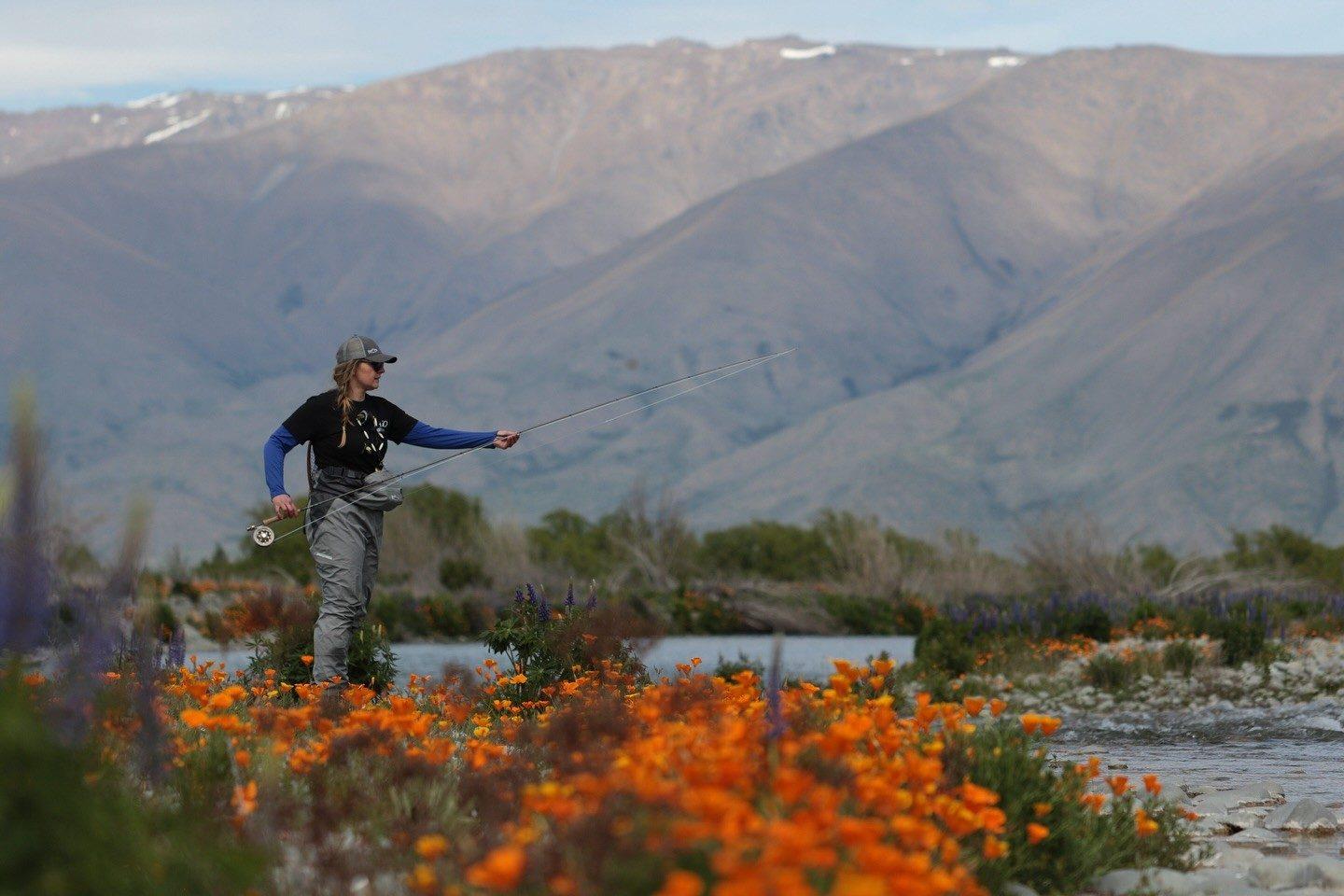
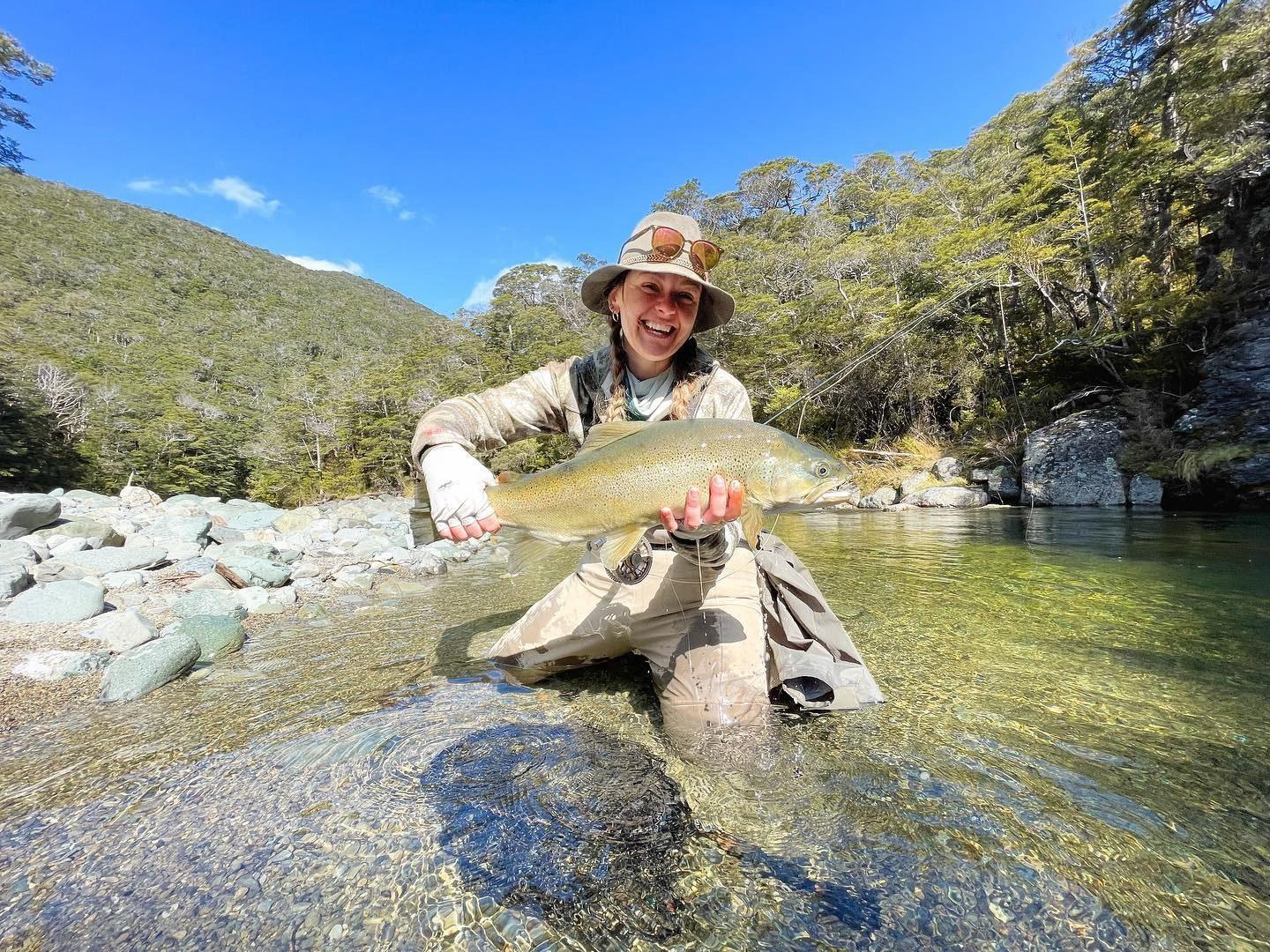
South Island: sight fishing for wild brown trout
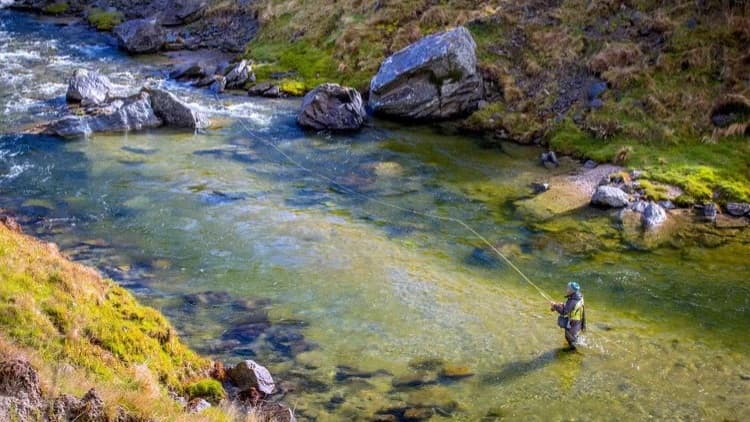
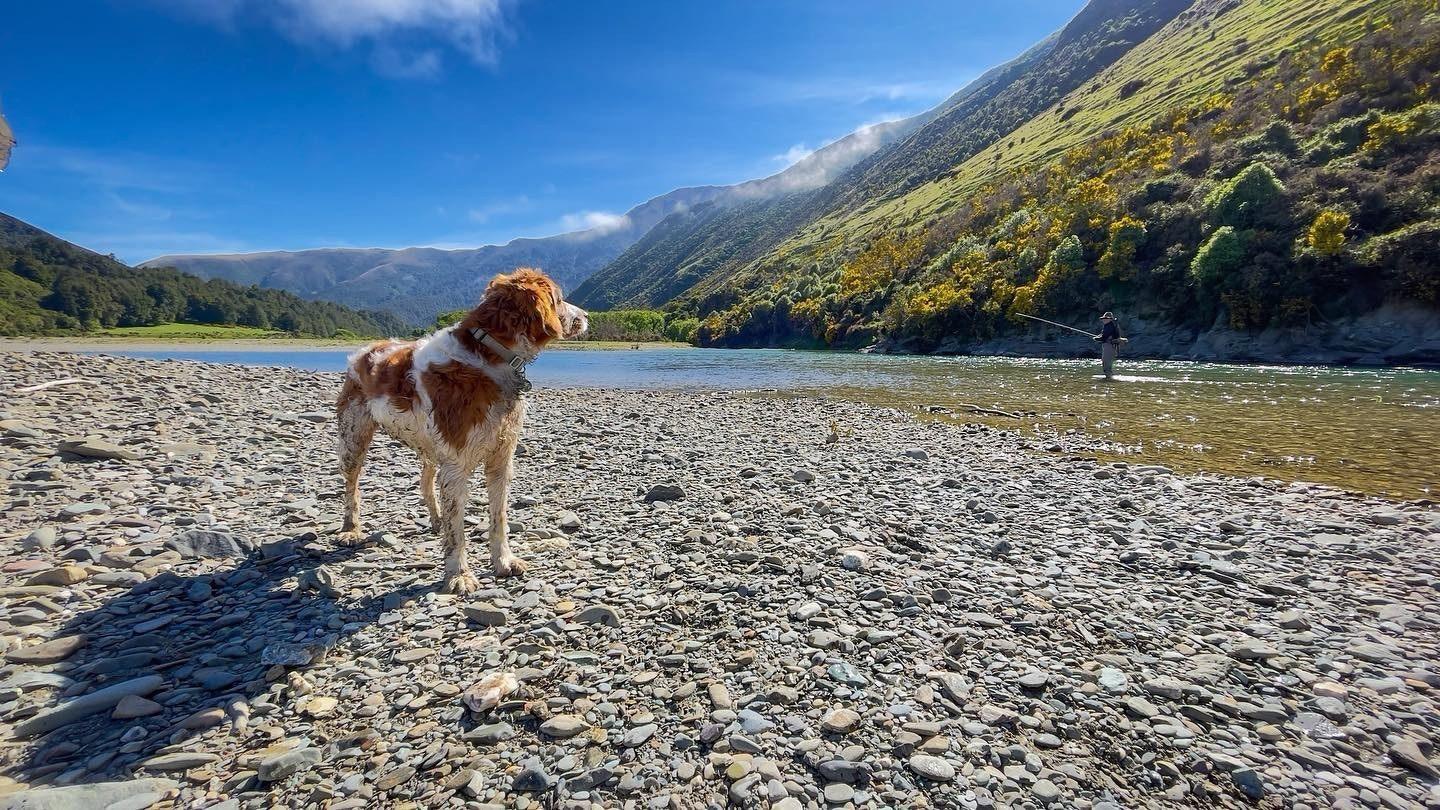
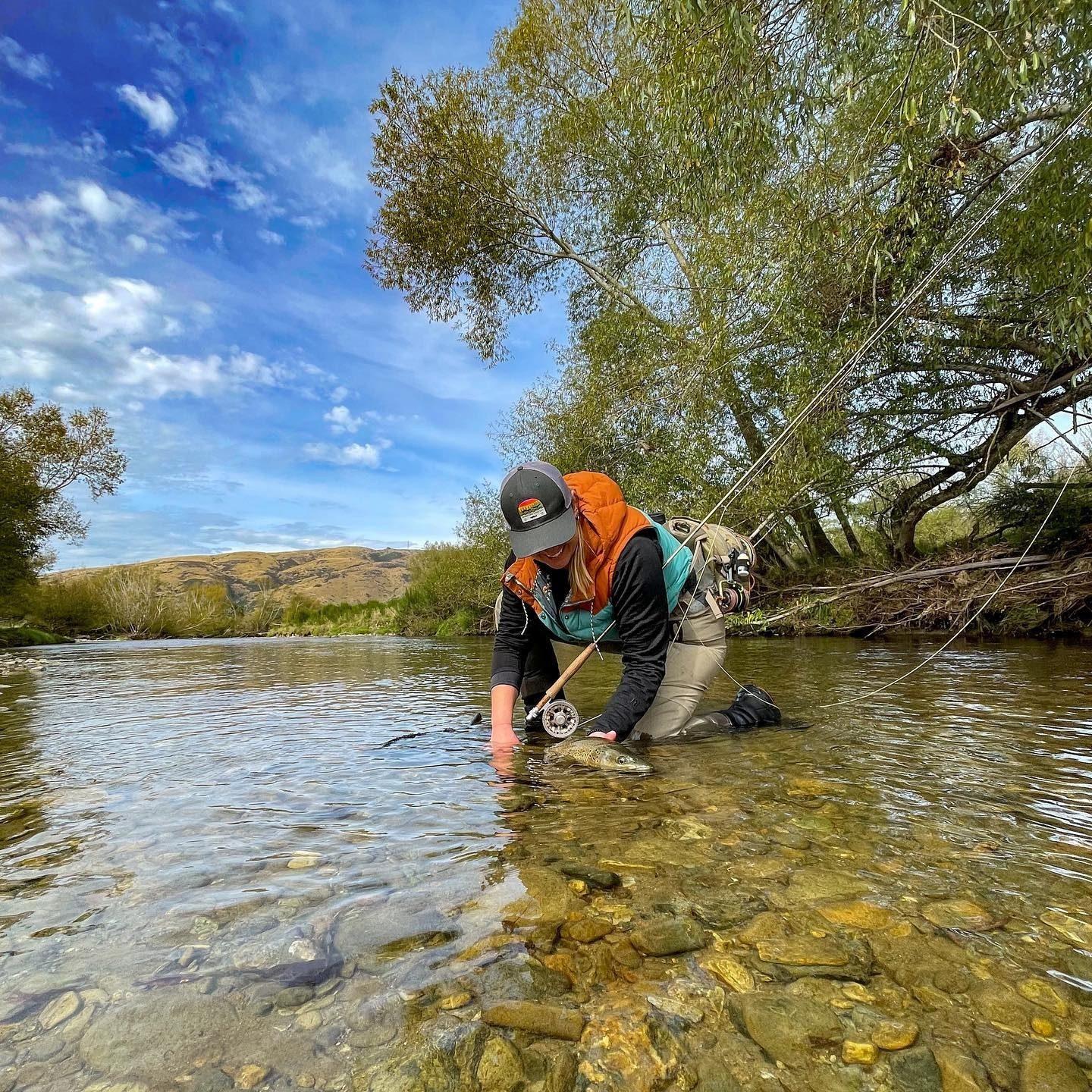
Our South Island guides fish mainly around Lumsden in Southland, on the Mataura, the Oreti and its tributaries, and in the backcountry of the Upper Oreti. This is classic New Zealand sight fishing: clear water, open valleys and wild brown trout that you spot before you cast. Most of the day is spent wading and walking the banks, looking for a fish, then making one careful presentation.
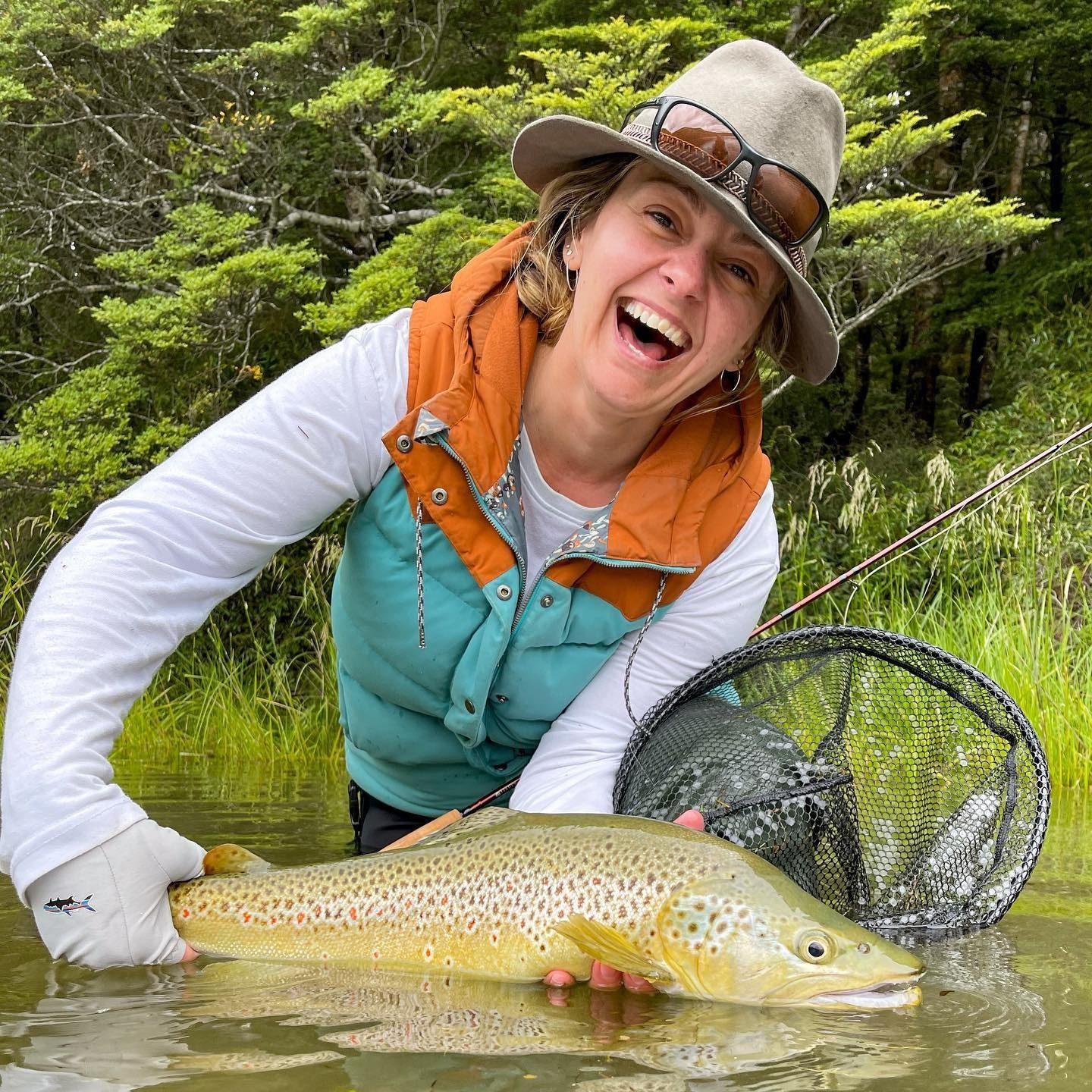
The rivers open on 1 October and close on 30 April. December to March is the prime time, with dry flies, dry-dropper rigs and nymphs, and the Southland willow grub season in summer. Autumn brings mayfly hatches and well-conditioned fish.
Casting accuracy matters more than distance. Short to medium casts, up to about 40 feet (12 metres), catch wary trout in clear water, and your guide spots the fish and tells you where to put the fly.
Where our South Island guides fish
The guide chooses the river each day based on the weather, river flows, fishing pressure and your ability. Brown trout are the main target, with rainbow trout in selected waters.
- Mataura River: one of Southland's best-known brown trout fisheries, famous for its mayfly hatches and technical dry-fly fishing. Its riffles, runs and pools suit both beginners and experienced anglers. Standard fishing licence.
- Oreti River and tributaries: from open river stretches to small, intimate streams, with sight fishing, dry flies and nymphing. A great place to practise reading water and presentation. Standard fishing licence.
- Upper Oreti and the Southland backcountry: for more experienced anglers. Remote rivers, longer walks, technical casting and careful stalking of wild trout in clear water. Some of these waters need a Designated Waters licence, which the guide confirms when planning the trip.
A typical day starts at 8:30–9:00 am in Lumsden and ends around 4–5 pm, though if the fishing is good, the day is not cut short. Lunch, snacks, water and gear are provided. The focus is on the quality of the experience rather than a promised number or size of fish: for many anglers the highlight is spotting a wild trout and presenting a fly to it in clear water.
The South Island guides do not run winter trout trips in Southland. From May to September, the North Island is the place to fish.
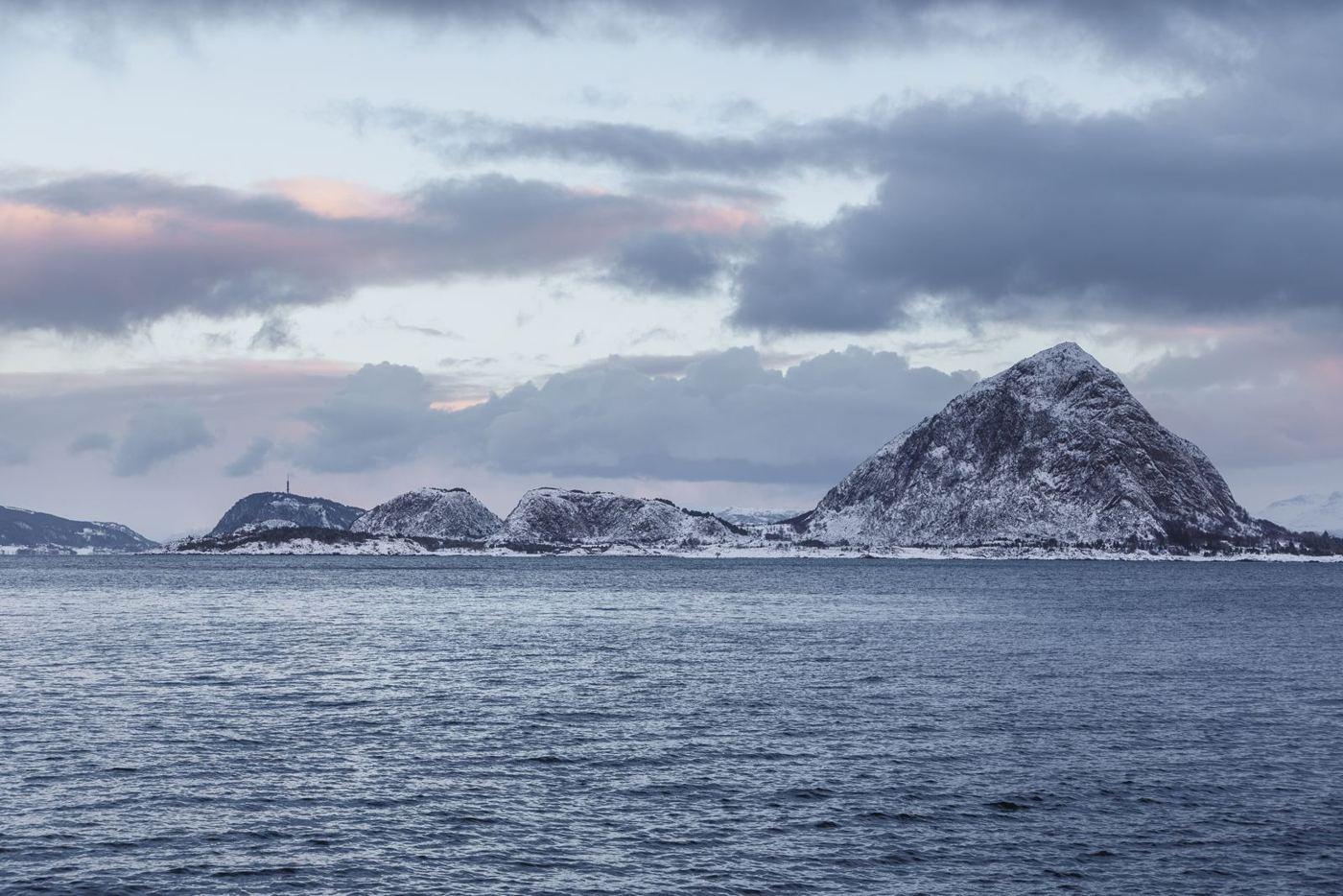
North Island: Taupō, rainbows, boats, rafts and helicopters
Our North Island guides fish mainly around Lake Taupō and its rivers. The North Island offers the most variety in one place:
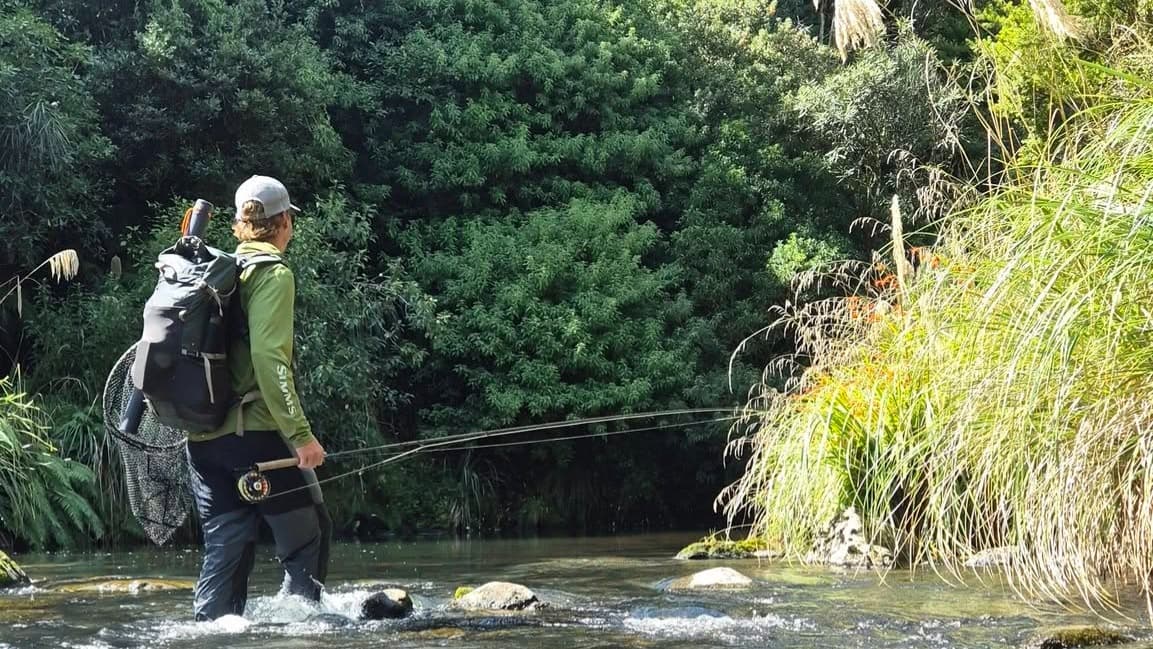
- Rivers: wading for rainbow and brown trout with nymphs, streamers and dry flies.
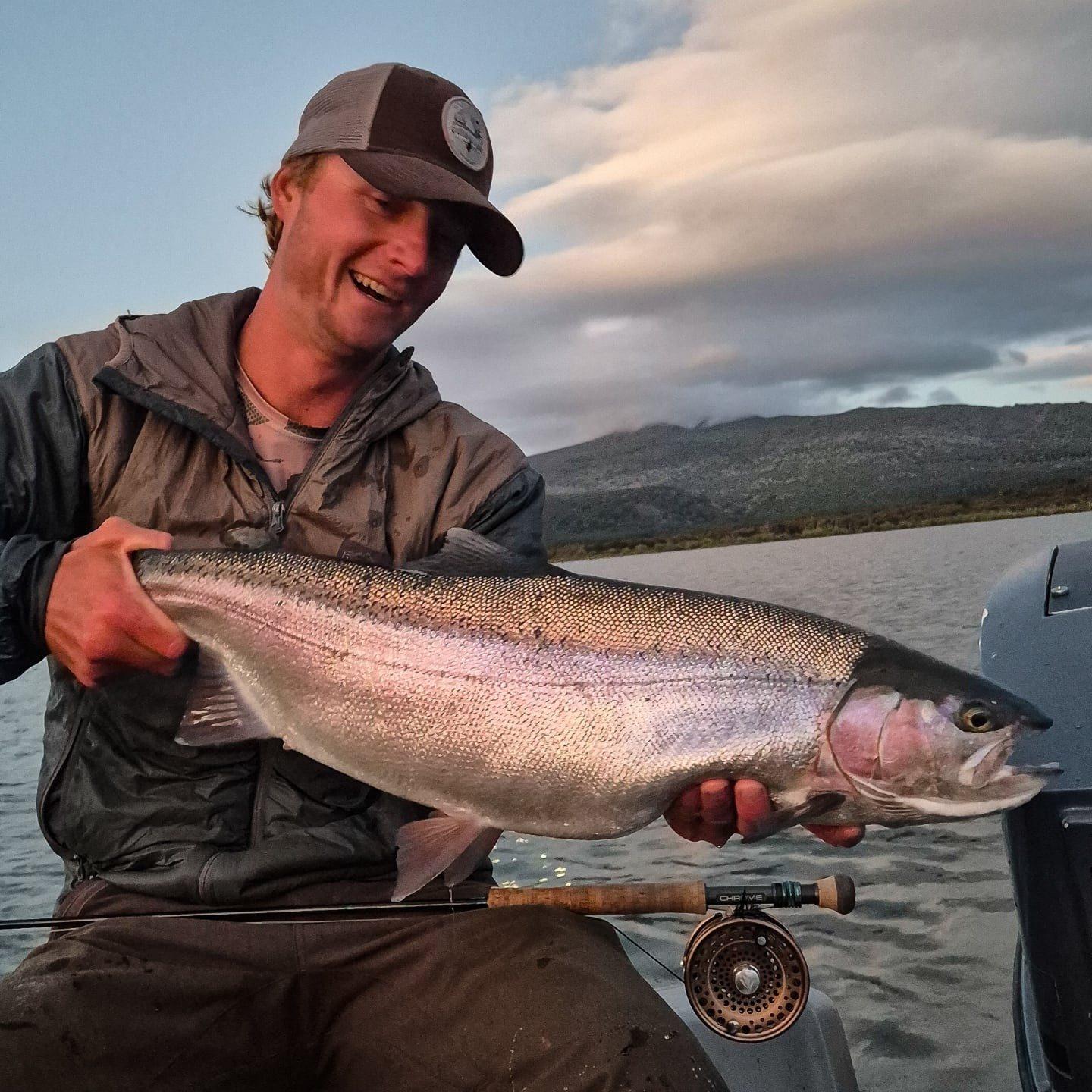
- Lake Taupō by boat: fishing from a boat on New Zealand's largest lake, with volcanoes on the horizon.
- Raft trips: floating down a river and stopping to fish water that is hard to reach on foot.
- Heli fishing: a helicopter flight to remote rivers that few anglers ever see.
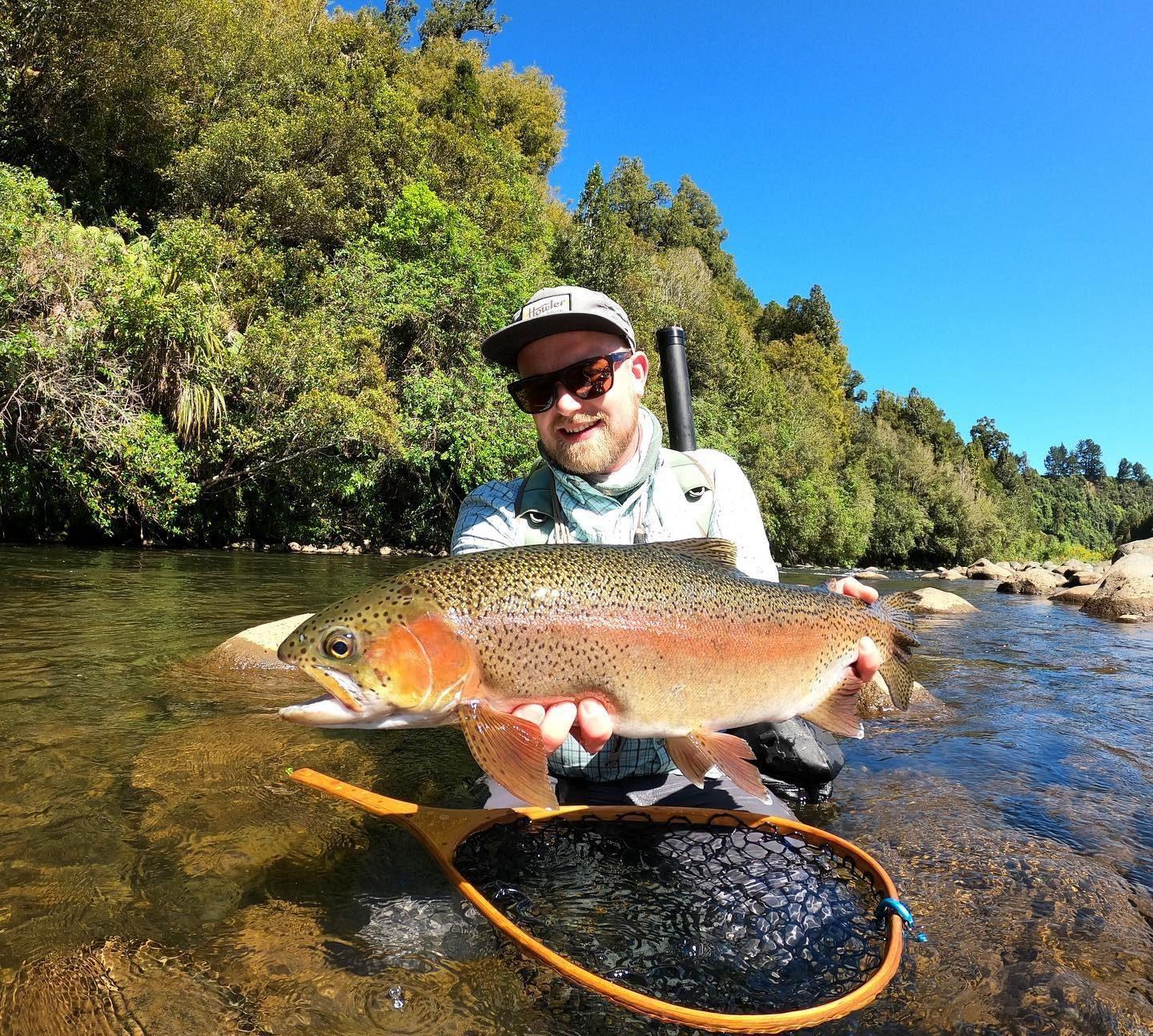
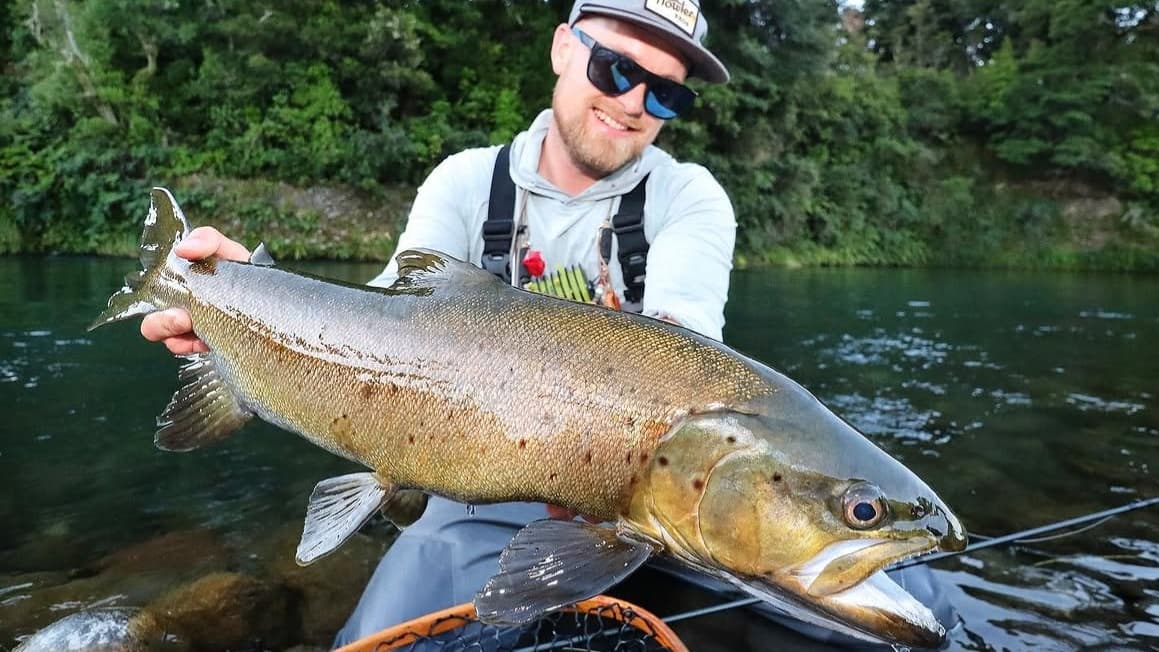
Summer brings sight fishing and the famous cicada hatches, when big trout take large dry flies off the surface. From June to August the Taupō fishery is at its peak, as large numbers of rainbows run up the Tongariro and Tauranga-Taupō rivers. That makes the North Island the place to go when most South Island rivers are closed.
The Taupō district is managed by the Department of Conservation (DOC) and needs its own licence, separate from the Fish & Game licence used in the rest of the country.
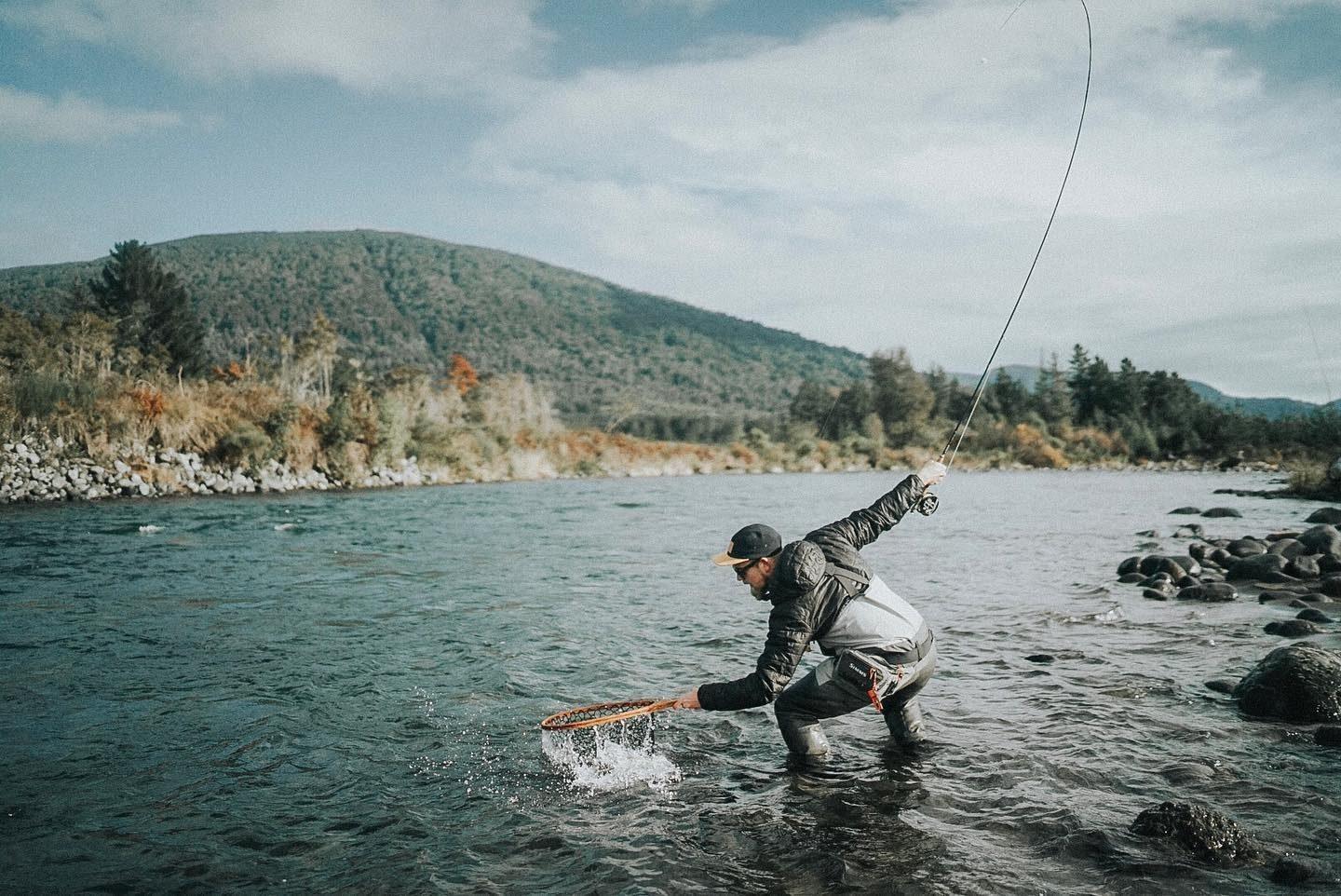
Which island suits you?
- You want to see the fish before you cast: South Island. Clear rivers and wild browns make it one of the best places in the world for sight fishing.
- You are travelling between June and August: North Island. Taupō is at its best in winter, while most South Island rivers are closed.
- You want variety in one trip: North Island. Rivers, lake fishing by boat, raft trips and heli fishing are all within reach of Taupō.
- You prefer to fish on foot, away from roads and boats: South Island, wading and walking the rivers around Lumsden.
- You are new to fly fishing: either island. Our guides take beginners as well as experienced anglers, and adapt the day to your level.
Trips are most often based around Lumsden on the South Island and Lake Taupō on the North Island. Fishing in other parts of New Zealand can be arranged on request.
Prices and what is included
A guided day costs about NZD 1,500 on both islands, for two anglers with one guide.
- Included: the guide, rods, reels, waders and flies, lunch, and transport to the river.
- Not included: the fishing licence, which you buy separately online, and accommodation.
- Larger groups: more than two anglers need an additional guide, so the price is quoted for your group.
Our guides do not book accommodation, but they are happy to recommend good places to stay near the rivers. Browse our fly fishing guides in New Zealand and send an enquiry for your dates.
FAQ
Frequently Asked Questions
Short answers to what anglers ask before a New Zealand trip.
Is the North or South Island better for fly fishing?
Neither is better overall. The South Island is best for sight fishing wild browns in clear rivers, and the North Island for rainbows, lake fishing, raft and heli trips, and winter fishing.
Is New Zealand good for beginner fly anglers?
Yes. Guides on both islands take beginners and adapt the day to your level, with all the gear provided.
How much does a fishing guide cost in New Zealand?
About NZD 1,500 per day for two anglers with one guide, including gear, lunch and transport. The licence is extra.
Can I fly fish in New Zealand in winter?
Yes, on the North Island around Taupō, where the winter rainbow runs peak from June to August. Most South Island rivers are closed from May to September.
Do I need a different licence on the North Island?
Only in the Taupō district, which needs a DOC licence. The rest of the North Island and the whole South Island use the Fish & Game licence.
Can I go heli fishing in New Zealand?
Yes. On the North Island, heli fishing and raft trips are available around Taupō.
Useful Links (Official Resources)
- Fish & Game New Zealand – Fishing regulations
- Fish & Game New Zealand – Designated Waters licence
- DOC – Taupō non-resident licences
Fishing styles, regions and prices come from FjordAnglers partner guides on the South Island (Southland) and the North Island (Taupō).
Written by FjordAnglersPublished November 24, 2026